Assignments

double expo

Image on wood (BATTLE BEAST)

I think this is my personality as I love challenges and arguing with others. I also like seeing things as a whole and understanding things more than just knowing how. I do feel like my mind races a lot with things going around and it’s hard to understand everything at once. I enjoy brainstorming as I can picture a lot of solutions for just one problem.
-

- On location flash
-

- On Location Flash
Dear Future Photo Student,
Welcome to IB Photography! At first, the class might feel overwhelming because there are many projects, reflections, and deadlines. My biggest advice is to stay organized and start your work early. Don’t wait until the last minute to take photos or write your process portfolio because the work adds up quickly. Try to experiment with different ideas and techniques instead of always playing it safe. Some of the most interesting photos come from trying something new or unusual. Also, keep track of your inspiration and the photographers you research, because it will make writing about your work much easier later. Another important tip is to always have your camera or phone ready. Sometimes the best photos happen unexpectedly, and you don’t want to miss them. Take more photos than you think you need so you have options to choose from. Finally, don’t stress too much. The class is meant to help you grow creatively and see the world differently. If you stay consistent and keep putting effort into your work, you’ll do well. Good luck and enjoy the process!
Sincerely,
Joseph Sanchez

Handwriting (BITE ME)
-

- 7 shots only


FLYER
-

- A student getting help from the best teacher to fix his camera not shooting in monochrome
-

- Two students in a heated argument about who is better at roblox
-
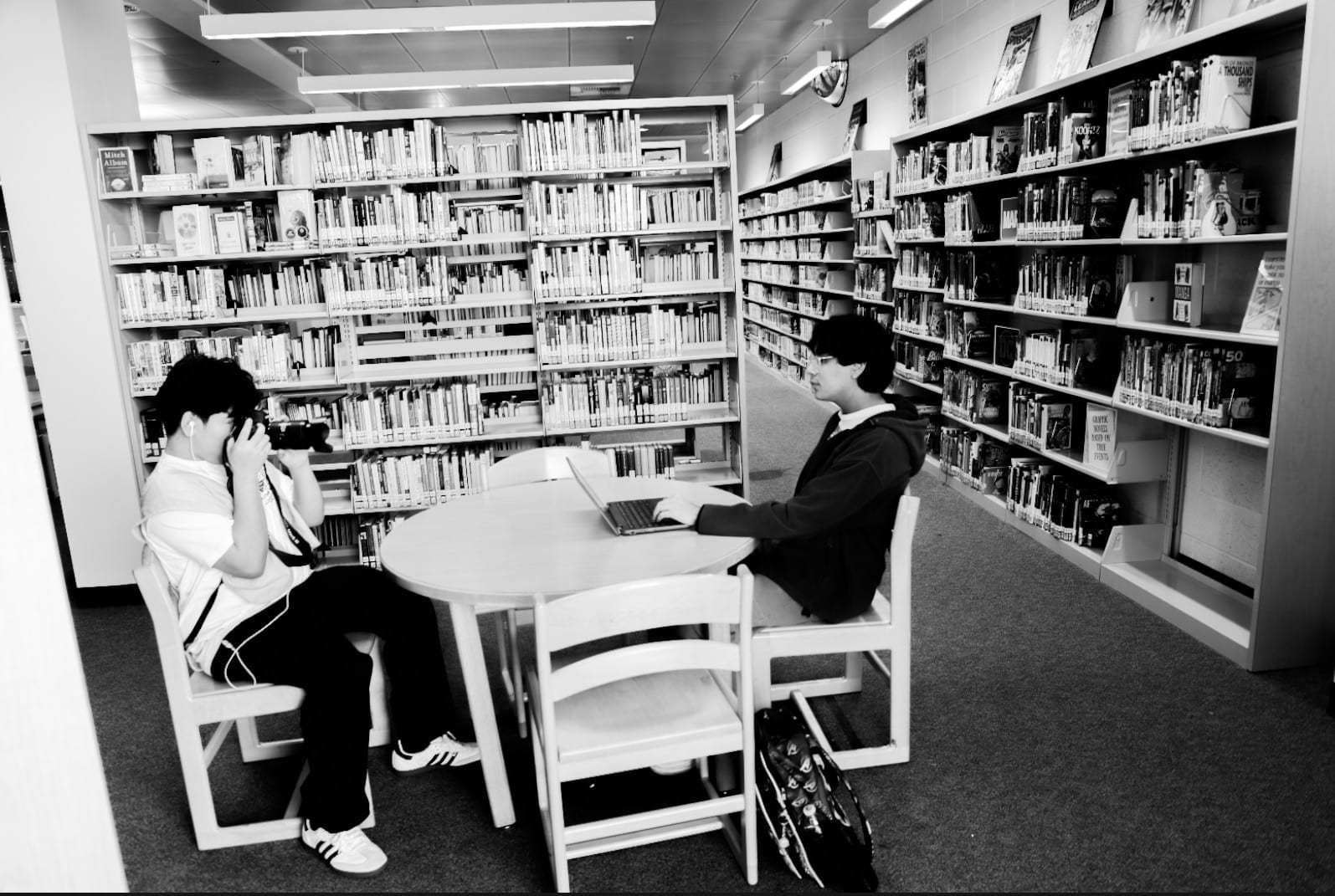
- A student taking a photo of a random student who is being studious and mysterious in the library
-

- Goof offs being goofy
-

- Two Feminist reading into current feminist literature.
Studio w/ Strobes & Gels


Block Printing

The Shadow between us
-

- Balance
-

- Color
-

- Contrast
-

- Diagonals
-

- Form
-

- Framing
-

- Leading Line
-
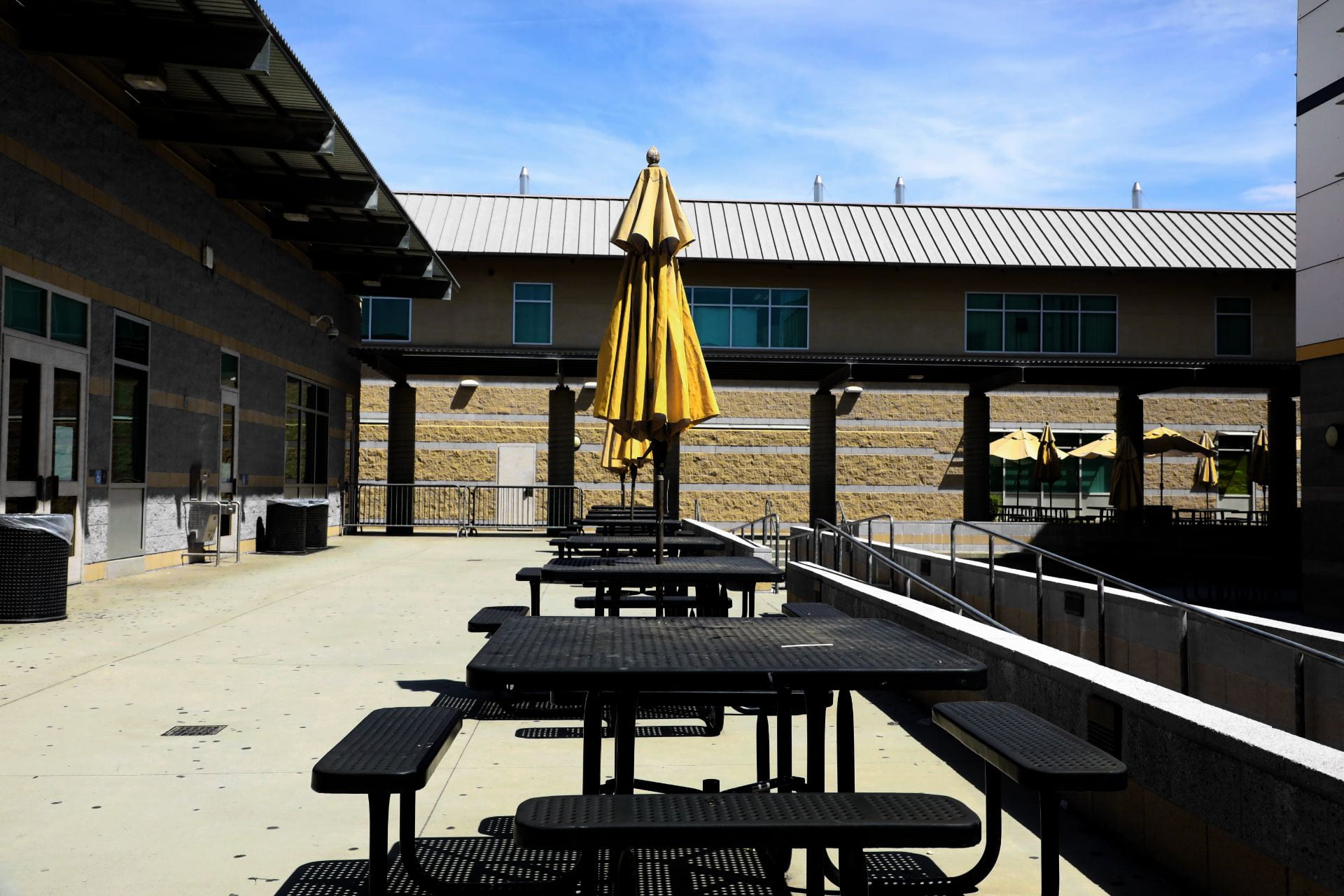
- Line
-

- Repeated Patterns
-

- Rule of Thirds
-

- Shape
-

- Space
-

- Texture
-

- Texture
-

- Value
-

- Shape
-

- Line
-

- Form
-

- Color
-

- Value
-

- Texture
-

- Space
-

- Balance
-

- Leading Line
-

- Frame
-

- Contrast
-

- Diagonals
-

- Rule Of Thirds
Simulator (CameraSim) 8/14/2025
The camera simulator helped me understand the basics of camera control and to find which mode I liked best which is Tv (shutter priority). It taught me how to control iso and shutter speed and how in TV mode both of those influence the aperture. It also showed me how and when to change my settings and the trial and error behind it. Learning how to change the iso was very helpful as I was confused on how it really worked and understand more than it goes higher or lower depending on the amount of light let in. Overall, the camera simulator was very helpful understanding the basics of the camera and finding what mode I prefer to be in and that everything influences the changes that need to be made like speed, distance, and lighting.
- Aperture, Shutter Speed, and ISO
Aperture refers to the opening in the lens that lets light into the camera. A larger aperture (a smaller f-number) lets in more light, while a smaller aperture (a larger f-number) lets in less light. Shutter speed controls how long the camera’s shutter stays open, letting light hit the sensor. A faster shutter speed freezes action, while a slower shutter speed can blur motion. ISO determines how sensitive the camera’s sensor is to light. A higher ISO helps in low light but can introduce noise (grain) in the image. - When would you need to change your ISO?
You’d change your ISO when the lighting conditions change. In low light, you increase the ISO to help the camera see better without needing a slower shutter or wider aperture. But if you increase ISO too much, the photo might get grainy. In bright light, you lower the ISO to avoid overexposing the photo. - What is Aperture and Shutter Priority settings?
Aperture Priority mode lets you choose the aperture, and the camera automatically selects the correct shutter speed for the exposure. Shutter Priority is the opposite—you choose the shutter speed, and the camera adjusts the aperture to get the right exposure. These modes give you control over one aspect of the exposure while the camera takes care of the rest. - What are AF modes and how do you change them?
AF modes are settings for autofocus, and they help determine how the camera focuses on a subject. You can usually choose between different modes like Single AF (focuses once when you half-press the shutter), Continuous AF (constantly adjusts focus as the subject moves), or Auto AF (the camera decides what to focus on). You can change AF modes through the camera’s menu or using a button on the camera body. - Why do you need to meter the light to get the right exposure?
Metering the light is important because it helps the camera understand how much light is hitting the sensor and adjust settings like aperture, shutter speed, and ISO accordingly. If you don’t meter correctly, your image might be too bright (overexposed) or too dark (underexposed). - What is the difference between a normal, wide-angle, and telephoto lens?
A normal lens has a focal length that closely mimics what the human eye sees. A wide-angle lens has a shorter focal length and captures a wider scene, great for landscapes or interiors. A telephoto lens has a longer focal length, allowing you to zoom in on distant subjects, like wildlife or sports. - What is white balance and why would you need to change it?
White balance is the setting that adjusts the colors in your image so that white objects appear truly white, regardless of the light source. Different light sources (like sunlight, tungsten light, or fluorescent light) give different color tones, and adjusting white balance helps you get natural-looking colors in your photos. - What is depth of field and what is the difference between shallow and deep?
Depth of field refers to how much of the scene is in focus. A shallow depth of field means only a small part of the image is in focus, with the background blurred (often used in portraits to isolate the subject). A deep depth of field means most of the image, from foreground to background, is in focus (great for landscapes). - What are drive modes and metering modes?
Drive modes determine how the camera takes photos. For example, single-shot mode takes one photo each time you press the shutter, while continuous mode takes multiple photos as long as the button is held down. Metering modes control how the camera measures light in the scene. For example, spot metering measures light from a small area, while matrix metering looks at the whole scene. - What is exposure compensation?
Exposure compensation lets you adjust the exposure that the camera has set. If your photo is too dark or too light, you can dial it in to make it brighter or darker without changing the aperture, shutter speed, or ISO settings directly. It’s like telling the camera to “correct” its exposure based on your preferences.